- Wire services distribute duplicate content across hundreds of low-tier domains that search engines routinely deprioritize or ignore.
- Getting press release links seen by search requires syndicating original hooks, securing native editorial pickups, and forcing discovery through tiered indexing.
- Canonical tags and JavaScript rendering on distribution hubs often hide target URLs from basic web crawlers.
- Tracking true indexing state via Search Console and log files is the only way to separate vanity distribution reports from real ranking signals.
Google Search Console only reports links that Googlebot has crawled, rendered, and judged valuable enough to process into its link graph. Wire service releases are published identically across hundreds of regional news sites, triggering aggressive duplicate content filters. Googlebot frequently skips crawling these syndicated pages altogether or renders them without passing link equity. To see these links reflect in your profile, you need unique editorial pickups rather than raw wire syndication.
Why are my press release links not showing up in Google Search Console?
Two Tuesdays ago, a brand marketing director walked me through a campaign report from a well-known wire distribution service. The report boasted 285 “media pickups” across regional television station websites and newspaper affiliates. On paper, it looked like a massive off-page win. But when I audited their link profile, not a single one of those 285 URLs had been processed into Google’s link graph. The brand had spent thousands of dollars, yet when it came to getting press release links seen by search, the search engine had essentially treated the entire campaign as invisible noise.
If you have launched press releases expecting a surge in referring domains only to see zero movement in your search visibility, you are not alone. Search engines treat syndication networks with extreme skepticism. Understanding how to bridge the gap between wire distribution and actual search discovery requires peeling back the mechanics of how bots parse duplicate content, process JavaScript, and evaluate link equity.
Why standard press release syndication gets ignored
The modern press release distribution model relies on automated RSS feeds and API integrations with media network affiliates. When you submit a release, the central distribution node pushes identical HTML blocks to hundreds of regional domain names. Search engines spotted this pattern years ago and built sophisticated filters to handle it.
When Googlebot encounters 300 identical pages published within a 10-minute window across low-authority local media subdomains, it triggers a duplicate content clustering algorithm. The search engine selects one dominant version—typically the core wire service domain itself—and suppresses the rest. The affiliate pages are marked as discovered but not indexed, or crawled and excluded.
[ Your Press Release ]
       │
       ├─► Core Wire Hub (Indexed / Crawled)
       │
       ├─► Local News Affiliate A (Suppressed / Duplicate)
       ├─► Local News Affiliate B (Excluded from Crawl)
       └─► Local News Affiliate C ( canonicalized to Core Hub )
Furthermore, major networks automatically append rel="nofollow" or rel="sponsored" attributes to outgoing hyperlinks inside the release body. Even when a local site’s CMS strips these tags and leaves a bare href, search algorithms recognize the boilerplate template surrounding the link and neutralize any potential page authority transfer.
The mechanics of search engine discovery and indexing
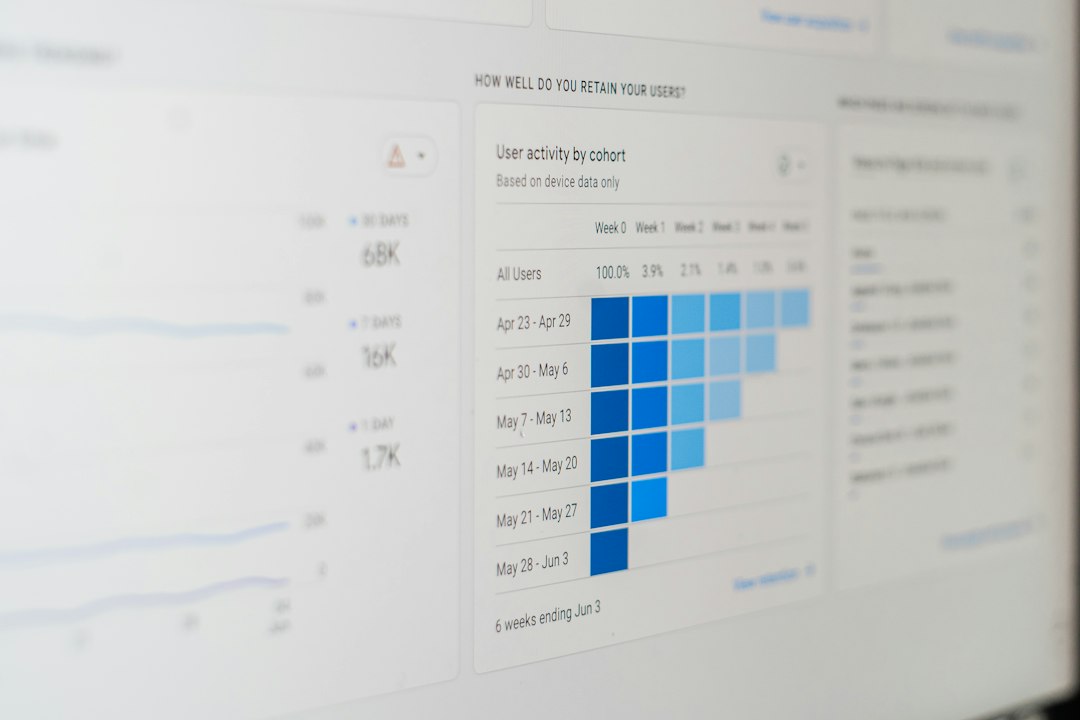
To understand why your press release links are failing to index, you have to look at the three-stage pipeline search engines use: discovery, crawling, and indexing.
Discovery  ──►  Crawling  ──►  Rendering  ──►  Indexing & Link Graph Processing
 (URL Seen)     (Fetch HTML)    (Execute JS)     (Equity Evaluated)
- Discovery: The crawler finds the URL via an XML sitemap, an RSS feed, or an external link.
- Crawling and Rendering: The crawler requests the page header and HTML body. If the page relies heavily on client-side JavaScript to render the body content or links, it gets pushed to a secondary rendering queue.
- Indexing and Link Evaluation: Once rendered, the search engine decides if the content brings original value. If it passes the quality threshold, the page enters the index, and its outbound links are extracted and scored.
Syndicated press releases usually break at step two or three. Because local affiliate sites sit low on the crawl priority list, search engines allocate minimal crawl budget to their syndication directories. A crawler might fetch the bare HTML, see a generic template structure, and drop the URL before allocating resources to render the client-side scripts that contain your hyperlinks.
If you struggle with links disappearing shortly after publication, read our breakdown on why your why links are not indexed is failing (and the fix) to diagnose lower-level rendering issues.
Technical obstacles hiding your links from crawlers
Beyond duplicate content filters, technical setup choices on the host domain often actively hide press release links from search bots.
Canonical redirects to the distribution hub
Many regional news platforms implement absolute cross-domain canonical tags pointing back to the main wire service URL. When a search engine reads <link rel="canonical" href="https://wire-service.com/release-123" />, it transfers all indexing rights to the wire home page. The affiliate URL hosting your release will never be indexed, meaning the link on that specific domain effectively ceases to exist in the eyes of search.
Deferred JavaScript rendering
To keep page load speeds high, news portals frequently load press release bodies through asynchronous iframe embeds or client-side JavaScript calls. If the search engine crawler does not execute that dynamic fetch during its initial pass, it sees an empty container element.
| Technical Obstacle | What the Crawler Sees | Impact on Link Discovery |
|---|---|---|
| Cross-domain canonical | Direct instruction to consolidate signals | Page skipped; link on affiliate domain ignored |
| Iframe embedding | Isolated third-party document frame | Link disconnected from publisher’s domain authority |
| Client-side JS load | Empty <div> container |
Link entirely invisible during raw HTML crawl |
| Robots.txt rule | Disallow: /press-releases/ |
Crawler blocked from fetching the page |
| Automated Nofollow | rel="sponsored" or rel="ugc" |
Equity transfer disabled |
If you want to test whether search bots can see your links behind dynamic embeds, you can follow our operational step-by-step on why your fetch and render for links is failing (and the fix) to isolate rendering blocks.
Step-by-step workflow for getting press release links seen by search
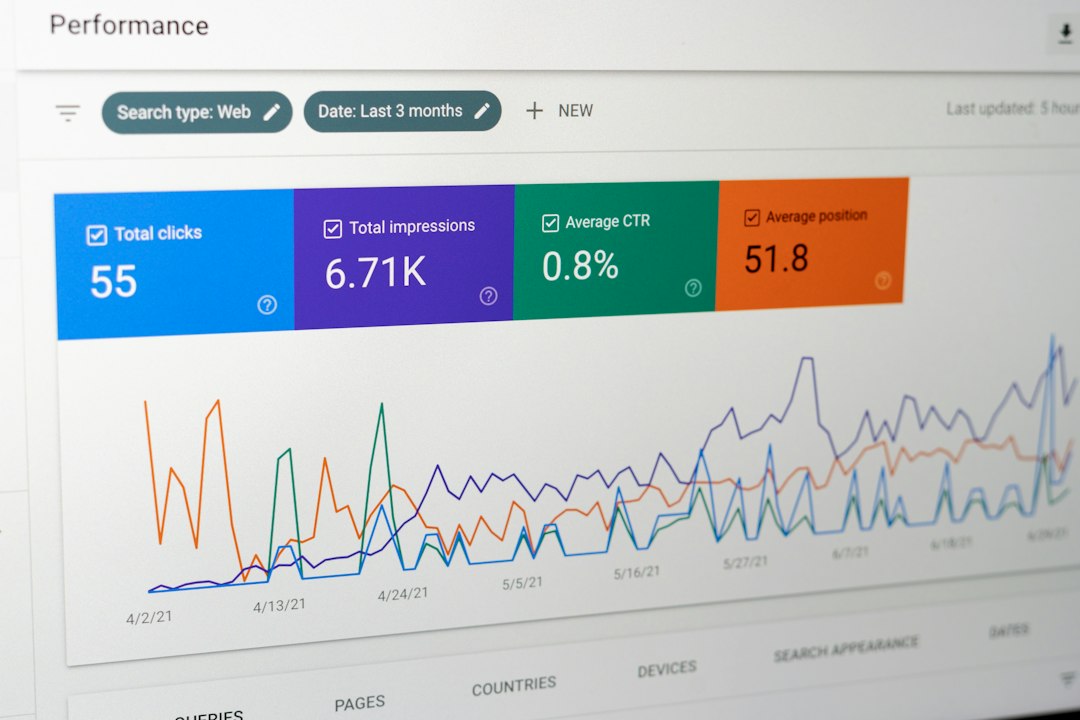
To move past vanity pickup numbers and ensure your links are processed, follow this end-to-end workflow every time you launch a campaign.
[1. Unique Hook] ──► [2. Technical Audit] ──► [3. Direct Outreach] ──► [4. Internal Linking] ──► [5. Indexing Pipeline]
- Craft a unique, data-driven story hook: Avoid publishing generic corporate updates. Package primary research, unique survey data, or proprietary industry insights that journalists actually want to reference natively.
- Audit target distribution networks for crawlability: Before buying a syndication package, check where the provider places releases. Verify that affiliate sites permit indexing and do not enforce global
noindexheaders on syndicated directories. - Execute an embargoed pitch to tier-one journalists: Send personalized pitches to industry writers 48 hours before the wire release. Secure 3 to 5 unique, editorial articles on sites that produce original content.
- Publish the release on your own newsroom first: Host the definitive version on your domain (
yourdomain.com/news/). Make sure your version contains schema markup (NewsArticleorTechArticle) and clean target links. - Build secondary internal signals: Once the wire release goes live on high-tier host domains, link to those specific release URLs from your own blog, press hub, or social profiles to accelerate bot discovery.
- Force discovery via search APIs and indexers: Feed the top 10–20 highest-value pickup URLs into your indexing workflows or social distribution platforms to guarantee immediate crawl requests.
- Monitor crawling state in server logs and toolsets: Track log files and link indexers for requests originating from search bot user-agents hitting those target URLs.
Transforming syndication into genuine editorial links
The real power of a press release is not the raw wire syndication—it is using the wire as a discovery vehicle that convinces human writers to produce non-syndicated, original articles. A single link within a contextual article on an industry news publication will outperform 500 automated wire links every time.
To turn wire noise into real links: * Expose raw data assets: Embed download links to clean CSV files, infographics, or open graphics assets hosted on your server. When a reporter writes about your story, they will grab your asset and source your domain directly. * Include quote snippets with clear brand citations: Structure key insights into bite-sized, attribution-ready quotes. * Avoid over-optimized anchor text: Using exact-match target keywords inside wire releases screams automation. Use natural brand references, target URL anchors, or publication titles.
If your strategy relies heavily on localized press releases, check out our guide on why your local press link building is failing (and the fix) to avoid regional syndication traps.
Setting up real-time monitoring for press release links
You cannot fix what you do not measure. Relying on the PDF reports provided by wire services will leave you with a completely distorted view of your backlink profile.
To set up an effective verification system:
First, maintain a clean tracking sheet of all live publication URLs generated by your campaign. Separate these into two groups: direct wire syndications and earned editorial coverage.
Second, use third-party crawler APIs or specialized tools to regularly fetch the HTTP headers and index states of those target pages. Look specifically for four indicators:
* HTTP Response Code: Must return 200 OK.
* Robots Meta Tag: Absence of noindex or nofollow.
* Canonical Anchor: Must match the target URL, not a remote master domain.
* Anchor Tag Attributes: Verify if the link contains rel="dofollow", rel="nofollow", or rel="sponsored".
If you monitor competitor moves to benchmark your release strategies, review our tactics on why your monitoring competitor links is failing (and the fix) to separate real ranking signals from vanity press footprints.
Common myths about press release link indexing
Myth 1: Syndicated links from major news networks pass direct domain authority
Reality: Search engines treat syndication blocks on major news portals completely differently from original editorial pieces on those same domains. A syndicated release living in a isolated subdomain path like finance.yahoo.com/news/ or markets.businessinsider.com/news/ is parsed through distinct quality algorithms. Search engines recognize standard PR templates instantly and strip link equity passing regardless of the domain’s aggregate metrics.
Myth 2: Exact-match anchor text in press releases drives keyword rankings
Reality: Pushing exact-match target keywords through wire distribution networks is an outdated tactic that carries clear risks. Google’s Webmaster Guidelines explicitly cite unnatural link patterns—including optimized anchor text in press releases—as a potential violation. Modern link parsing engine models easily identify exact-match anchors repeated across automated syndication routes and disavow or ignore them completely.
Myth 3: If a press release shows up in Google News, its links are automatically indexed
Reality: Google News operates on a dedicated indexing pipeline optimized for immediate content retrieval and timeliness. Getting picked up by the Google News crawler does not mean the URL has been accepted into the core Web Index where link graph calculations occur. A page can appear in news feeds for 24 hours and still be discarded from the primary index once its news freshness score expires.
Strategic trade-offs: Wire distribution versus direct pitching
Choosing how to allocate your outreach budget requires an honest assessment of trade-offs. Wire services offer immediate distribution scale, but their search engine link value approaches zero. Direct editorial outreach requires high manual effort and lower volume, but produces permanent, high-value signals.
| Factor | Wire Service Syndication | Earned Editorial Outreach |
|---|---|---|
| Primary SEO Value | Extremely Low (Duplicate content filtered) | High (Unique context & equity pass) |
| Indexation Reliability | Poor (Affiliate pages suppressed) | Excellent (Native publisher pages) |
| Control Over Anchors | Complete (Set during submission) | Minimal (Controlled by writer/editor) |
| Speed to Publication | Hours | Days to Weeks |
| Cost per Outlet | Cheap in bulk | High (Resource & pitch intensive) |
| Referral Traffic Quality | Low (Bounced syndication views) | High (Engaged targeted readers) |
If you are using data studies as the primary hook for your releases, make sure you avoid common research structuring pitfalls by reading why your data studies that earn links is failing (and the fix).
Advanced tactic: Tiered indexing strategies for press coverage
When you secure a genuine editorial link from a smaller regional publication or industry niche blog, that page itself may suffer from slow crawling if the site lacks internal authority. You can lift the visibility of these secondary mentions using a tiered indexing architecture.
                  [ Target Core Page ]
                           ▲
                           │ (Direct high-value link)
                           │
             [ Earned Secondary Editorial ]
              ▲                         ▲
              │                         │
[ Internal Newsroom Hub ]     [ Social & Data Feeds ]
Instead of sending low-quality links directly to your main domain, direct secondary amplification signals toward the earned editorial page.
- Link to the earned coverage from your company’s active social channels.
- Feature the article inside your monthly email newsletter (which gets republished to web archives).
- Reference the write-up in subsequent blog posts on your own website.
By pushing fresh crawl paths to the publisher’s article, you force search bots to re-evaluate that third-party page, ensuring the contained link to your site gets parsed and counted.
Managing sitewide press release widgets and press room links
Many corporate sites host a live “In the News” widget across their global footer or sidebar that pulls recent press release titles dynamically. If not implemented carefully, this pattern creates a sitewide technical issue.
When your site dynamically generates 10,000 internal footer links pointing to newly created press release landing pages, you inadvertently dilute your site’s internal page authority flow. Search crawlers spend their allocated crawl allowance cycling through low-value press pages instead of high-converting product or service pages.
| Implementation Approach | Search Engine Behavior | Impact on Site Health |
|---|---|---|
| Sitewide Raw HTML Links | Crawls every press link from every page | Dilutes internal link equity; wastes crawl budget |
| JavaScript/AJAX Dynamic Render | Defers crawl until rendering pass | Protects core crawl paths; preserves authority |
| Filtered Static Listing Page | Single dedicated /press/ index |
Clean, clear internal hierarchy |
To prevent sitewide link leaks, host your press releases behind a clean single-page directory structure and keep global elements free from dynamic feed dumps. If you suspect your site is leaking equity through template-level blocks, re-examine why your footer and sitewide links is failing (and the fix).
What to do when your press release links refuse to index
If you have completed your distribution push and find that crucial target pages holding your coverage remain unindexed after two weeks, execute this recovery checklist:
- Verify server headers: Use a curl command (
curl -I -A "Googlebot" [URL]) to verify the host server returns a clear200status code and does not pass aX-Robots-Tag: noindexheader specifically to search crawlers. - Check for blocking directives: Review the host site’s
robots.txtfile to ensure the subdirectory hosting the release is not explicitly disallowed. - Inspect rendered DOM: Open Google Search Console’s URL Inspection tool (if you have site access) or a public rendered DOM viewer to verify that the anchor tag containing your link is present after script execution.
- Supply direct crawl signals: Share the exact URL via high-frequency indexing channels, such as active social accounts or high-authority blog references, to prompt a re-fetch.
- Convert wire links to editorial outreach: If an affiliate page refuses to index due to canonical suppression, reach out directly to the site editor. Pitch a localized, unique quote or updated local stat to convert the automated page into a standalone editorial post.
Getting search engines to recognize press coverage requires moving away from vanity syndication numbers and looking directly at technical indexing realities. Most wire distribution links fail quietly in duplicate content filters, but by focusing on original content hooks, monitoring rendered DOM states, and using press releases as a launching pad for genuine editorial pickups, you can turn press releases into a dependable discovery channel for real search authority.
Monitoring technical link health, tracking canonical issues, and identifying missing indexing states across hundreds of campaign URLs can quickly become overwhelming when managed manually in spreadsheets. That is why we built OptiLink to automatically track your external link profile, surface hidden crawl blocks, and alert you the moment your off-page links gain or lose index status in real time.
Frequently asked questions
Why are my press release links not showing up in Google Search Console?
Google Search Console only reports links that Googlebot has crawled, rendered, and judged valuable enough to process into its link graph. Wire service releases are published identically across hundreds of regional news sites, triggering aggressive duplicate content filters. Googlebot frequently skips crawling these syndicated pages altogether or renders them without passing link equity. To see these links reflect in your profile, you need unique editorial pickups rather than raw wire syndication.
Do press release links pass nofollow or dofollow equity to my site?
The vast majority of major syndication networks attach rel=nofollow, rel=sponsored, or rel=ugc tags to all outgoing links by default to comply with Google Search Essentials guidelines. Even when a smaller regional hub leaves a link as dofollow, Google's algorithms detect the standardized wire template and neutralize the equity. Press releases should never be used as a direct dofollow link building tactic; their value lies in driving referral traffic and earning secondary, organic coverage from journalists.
How long does it take for search engines to index a press release link?
A press release published on a high-tier wire like PR Newswire or Business Wire usually gets crawled within 15 minutes to 2 hours because search bots poll those specific hubs constantly. However, actual indexing of the syndicated sub-pages across affiliate sites can take weeks or may never happen at all. If an affiliate page is not indexed within 7 to 10 days, Google has likely ignored it due to canonicalization or duplication.
Can syndicated press releases cause a duplicate content penalty on my domain?
No, publishing a press release will not trigger a manual action or algorithmic penalty for duplicate content on your primary domain. Google simply filters out the duplicate iterations across the web, choosing one primary version (usually the main wire service host) to display in search results. The risk isn't a penalty; the risk is wasted budget on hundreds of syndicated pages that search engines systematically choose to ignore.
How do I force Google to crawl and render links inside press releases?
To encourage crawling, link directly to the press release hub from your own active social channels, push the URL through indexing APIs, and build secondary internal links from related blog posts or press pages on your site. Additionally, ensure the syndication site doesn't block bots via robots.txt or hide links behind client-side JavaScript execution, which can prevent low-priority crawlers from parsing the anchor text.
Is paying for press release syndication still worth it for SEO?
Press release syndication is not worth the cost if your sole goal is direct link building, as search engines ignore syndicated backlink footprints. However, it remains valuable for corporate announcements, managing brand SERPs, triggering Google News inclusion, and putting research in front of journalists who may write original stories with editorial links. Treat press releases as a distribution channel for PR, not a fast path to building search authority.
Frequently asked questions
What is the ideal anchor text ratio for a new site?
A safe starting ratio is 50% branded, 30% naked URLs, 15% partial-match, and 5% exact-match, but adjust based on your niche competitiveness.
Can I use exact-match anchor text after a penalty?
Yes, but only after you’ve disavowed toxic links and rebuilt the profile with 80%+ branded anchors for 3–6 months to restore trust.
How many variations of anchor text should I use per linking domain?
Limit to 2–3 variations per domain to avoid looking manipulative; rotate them across your outreach campaigns.
Is it okay to ask for a specific anchor text in outreach?
You can suggest it, but most editors will ignore the request or rewrite it; focus on providing value so they naturally use your brand or URL.
Frequently asked questions
What is the best anchor text for SEO?
The best anchor text describes the linked page's content clearly and naturally, using relevant keywords without stuffing.
How many types of anchor text are there?
There are six primary types: exact match, partial match, branded, naked URL, image alt, and generic.
What is the best practice for anchor text?
Use varied, contextually relevant anchors that accurately reflect the destination content while avoiding repetitive patterns.
Why is anchor text important in SEO?
It helps search engines understand the topic and relevance of linked pages, boosting topical authority when done correctly.
Frequently asked questions
What is the ideal anchor text ratio for SEO?
Most teams find a 3:1 ratio of partial-match to branded anchors works without triggering filters, but the real answer depends on your niche and existing profile.
Can I use exact-match anchor text after a penalty?
Yes, but only sparingly and usually after rebuilding trust with a heavy branded and partial-match base first.
How many different anchors should I use per page?
There is no magic number, but aiming for at least 5–7 unique variations per target page keeps the profile looking organic.
Is it safe to use naked URLs as anchors?
Absolutely; they are the safest anchor type and often look natural in editorial content, especially for homepages and high-authority references.
Should I nofollow all keyword-rich anchors?
No, a natural mix includes some follow links, but keep the ratio low—around 10–15%—to avoid over-optimization signals.
Frequently asked questions
How do I check my anchor text distribution?
Open Google Search Console, go to Links to your site, and click the 'Anchor text' report. It shows your top anchors and their share of the profile, though it caps at 1,000 links.
What is a healthy anchor text distribution?
Most sites we audit fall into a 50-70% branded/natural mix with exact match anchors under 10%. If your exact match ratio creeps past 15%, it’s a red flag for over-optimization.
Can too much exact match anchor text hurt rankings?
Yes. Google’s Penguin and manual spam filters flag profiles where exact match anchors exceed 15-20%. The safest approach is to keep them under 10% and rely on brand, URL, and related variations for the bulk of your links.
How often should I audit anchor text?
We recommend a light audit after every major link insertion campaign and a full deep-dive quarterly. If you’ve just recovered from a penalty, check monthly until the profile stabilizes.
Keep reading
Broken link building, step by step: find, fix, and pitch
Broken link building works when your replacement does the dead link's job. Here is how to find dead links, verify them, match a fix, and pitch honestly.
 Sofia Meyer
October 9, 20262 min read
Competitor backlink analysis that finds real opportunities
Competitor backlink analysis pays off when you sort rivals' links by how they were earned. Use the intersect, a repeatable-link test and a dated action list.
Sofia Meyer
September 26, 20262 min readDigital PR: the most durable link building there is
Digital PR earns links from journalists through original data, timely news and expert commentary. Here's the campaign workflow and how to measure it honestly.
Sofia Meyer
October 13, 20262 min readDofollow vs nofollow in 2026: what still passes value
The link attributes changed, Google's treatment changed, and a lot of advice is out of date. Here's what dofollow, nofollow, sponsored and ugc actually do now.
The OptiLink Team
October 10, 20262 min read